
Quick answer: Pelvic floor muscle training can remain useful after 50 and during menopause, especially for stress or mixed urinary leakage. But dryness, burning, recurrent urinary symptoms, prolapse, pain, and an overactive pelvic floor may need assessment and additional treatment. Age alone does not determine the right programme.
What Changes Around Menopause
Age, childbirth history, surgery, chronic cough, constipation, activity, and tissue changes can all affect pelvic floor symptoms. Lower estrogen can contribute to genitourinary syndrome of menopause, which may include dryness, burning, pain with sex, bladder symptoms, and recurrent urinary tract infections.
Kegels strengthen muscle; they do not directly treat infection, vaginal tissue irritation, or every cause of urgency and pain.
When Strengthening May Help
Training is commonly recommended for stress leakage, such as urine loss with coughing, laughing, or exercise, and for mixed urinary incontinence. NICE recommends supervised pelvic floor muscle training for at least three months for stress or mixed incontinence.
A good programme includes comfortable slow holds, quick responses, full relaxation, and gradual progression into standing and daily tasks.
A Gentle Starting Routine
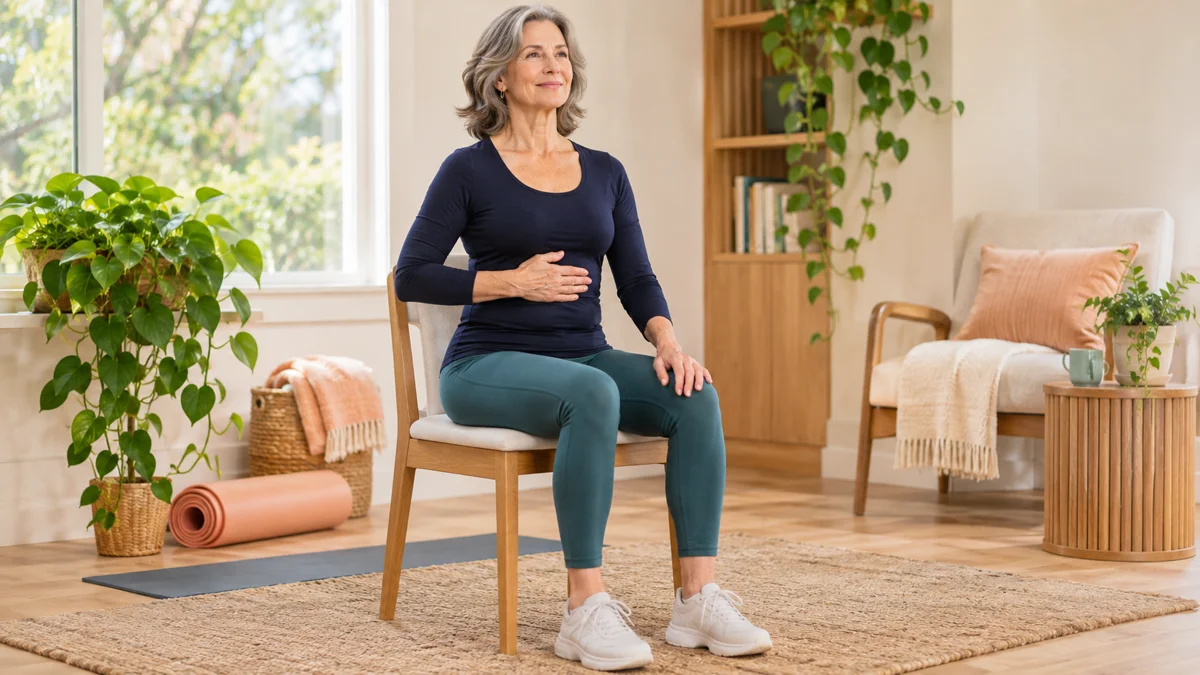
- Sit supported with feet flat.
- Breathe normally and make a gentle inward and upward lift.
- Hold only while the lift stays clear.
- Release completely and rest.
- Add a few clean quick contractions only if they remain comfortable.
Avoid maximum effort and stop if there is pain, pressure, or worsening urgency. The Gentle Routine for Women Over 50 adds breathing and low-load movement.
When Kegels Are Not Enough
Ask a clinician about vaginal dryness, burning, recurrent infections, bleeding, painful sex, a bulge, or persistent urgency. Pelvic health physiotherapy can address coordination, relaxation, strength, and pressure management; a menopause-informed clinician can assess tissue and urinary symptoms.
Training for Function, Not Youth
The goal is not to make the pelvic floor “young” or permanently tight. It is to help the muscles contract, relax, and respond appropriately while supporting bladder, bowel, sexual, and movement goals.
This article is for general education and is not medical advice. New bleeding, persistent pain, or recurrent urinary symptoms require medical assessment.