
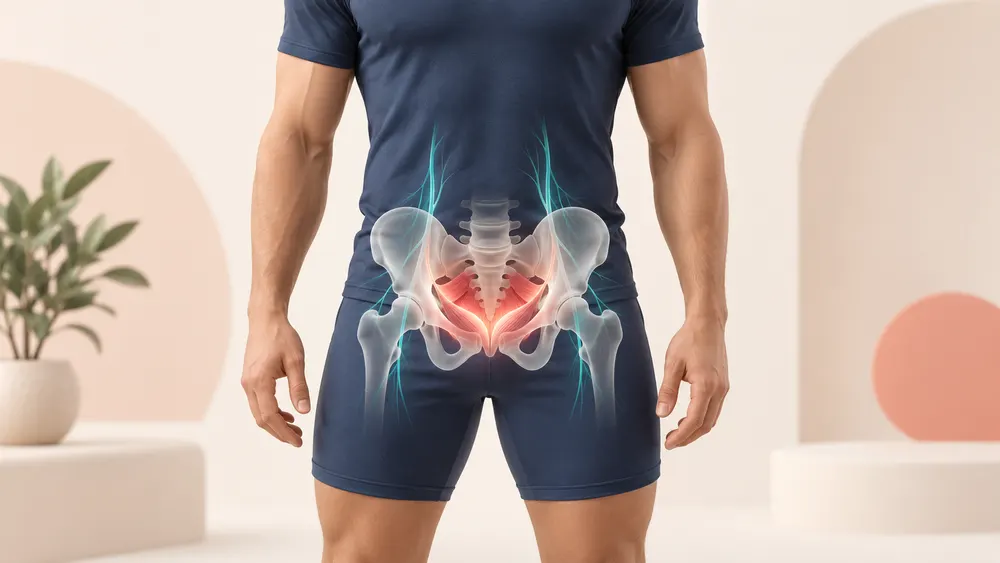
Changes in penile sensitivity can affect pleasure, orgasm, confidence, and relationships. Sometimes the change is temporary and linked to stress, fatigue, friction, or a new sexual routine. In other cases, reduced sensation may be associated with medication, diabetes, nerve problems, circulation, hormonal changes, surgery, or pelvic injury.
There is no universal trick that restores sensitivity overnight. The best approach is to reduce avoidable irritation, support general health, and investigate persistent or sudden numbness.
What Does "Reduced Sensitivity" Mean?
People use the phrase to describe different experiences:
- Touch feels duller than before
- More pressure or stimulation is required
- Orgasm takes much longer or does not occur
- Erections are less reliable
- Part of the penis or surrounding area feels numb or tingly
These symptoms do not all have the same cause. Erectile function, arousal, sensation, ejaculation, and orgasm overlap, but they are not identical.
Change Excessive Pressure or Friction
A very tight grip, repetitive high-pressure stimulation, long sessions, or insufficient lubrication can temporarily reduce sensation or irritate the skin.
Try lighter pressure, more variation, shorter sessions, and a suitable lubricant. Give irritated skin time to recover. Persistent numbness should not be dismissed as a habit issue without medical evaluation.
Protect the Perineum
Long cycling sessions, an unsuitable bicycle saddle, or trauma to the area between the genitals and anus can compress nerves and blood vessels.
Check saddle fit, change position regularly, use appropriate padding, and take breaks. Stop the activity and seek medical advice if you develop lasting numbness, urinary changes, or pain.
Support Cardiovascular and Metabolic Health
Erections and genital response depend partly on healthy blood vessels and nerves. Regular movement, blood-pressure control, and management of blood sugar can support sexual health.
Aim for a realistic combination of aerobic exercise and resistance training. If reduced sensitivity occurs alongside erectile changes, do not assume it is only a sexual issue; it may be worth discussing cardiovascular and metabolic risk with a clinician.
Train the Pelvic Floor Carefully
Pelvic floor muscles contribute to urinary control, erection, and ejaculation. When weakness or poor coordination is present, appropriately performed pelvic floor exercises may help.
To identify the muscles, imagine stopping urine and gas at the same time. Gently squeeze and lift for three seconds, then relax for five seconds. Start with five repetitions.
Do not perform long, forceful sets or keep the muscles clenched throughout sexual activity. A tight or overactive pelvic floor can be associated with pelvic pain and ejaculation-related discomfort. Some people need relaxation and physiotherapy rather than more strengthening. For a conservative starting structure, read How Many Kegels Should a Man Do Per Day?
Review Sleep and Stress
Poor sleep, anxiety, depression, and performance pressure can reduce arousal and make physical sensation harder to notice. They can also affect erections and orgasm.
Improving sleep consistency, reducing pressure to perform, and slowing down sexual activity may help. If anxiety or low mood is persistent, professional support can be more effective than repeatedly changing techniques.
Limit Smoking and Excessive Alcohol
Smoking damages blood vessels. Heavy alcohol use can reduce sensation, interfere with erections, and delay orgasm.
Reducing or stopping tobacco and moderating alcohol benefits overall health as well as sexual function. If cutting down is difficult, ask a healthcare professional about structured support.
Check Medications and Health Conditions
Some antidepressants and other medications can affect libido, sensation, erection, ejaculation, or orgasm. Diabetes, neurological conditions, spinal problems, pelvic surgery, and hormonal disorders can also play a role.
Do not stop prescribed medication on your own. Ask the prescribing clinician whether your symptoms could be related and whether safe alternatives exist.
Choose Lubricants Safely
Lubricant reduces friction and may make touch more comfortable, but it does not repair nerve damage or permanently increase sensitivity.
Use a product intended for sexual activity. Oil-based products can weaken latex condoms, while fragranced products and household oils may irritate sensitive skin. Stop using any product that causes burning, itching, or redness.
Be Cautious With Supplements
Products marketed for testosterone, blood flow, or "male sensitivity" often make claims that are much stronger than the evidence. Supplements can interact with medications, contain inconsistent ingredients, or delay proper diagnosis.
Speak with a clinician before taking herbal products, especially if you use blood thinners, heart medication, diabetes medication, or treatment for erectile dysfunction.
When to See a Doctor
Arrange an evaluation if sensitivity loss:
- Appears suddenly
- Persists or progressively worsens
- Follows an injury or surgery
- Occurs with weakness, back pain, or numbness elsewhere
- Is accompanied by erectile problems, urinary symptoms, sores, discharge, or testicular pain
- Causes significant distress
Sudden genital numbness combined with new leg weakness or loss of bladder or bowel control requires urgent medical attention.
Final Thoughts
Reduced sensitivity is a symptom, not a diagnosis. Gentle changes in pressure, lubrication, sleep, exercise, and pelvic floor coordination may help, but ongoing numbness deserves a proper medical assessment. Treat the underlying cause rather than relying on oils, supplements, or aggressive exercises.
This article is educational and does not replace an examination by a qualified clinician.